About
Participation and self-construction
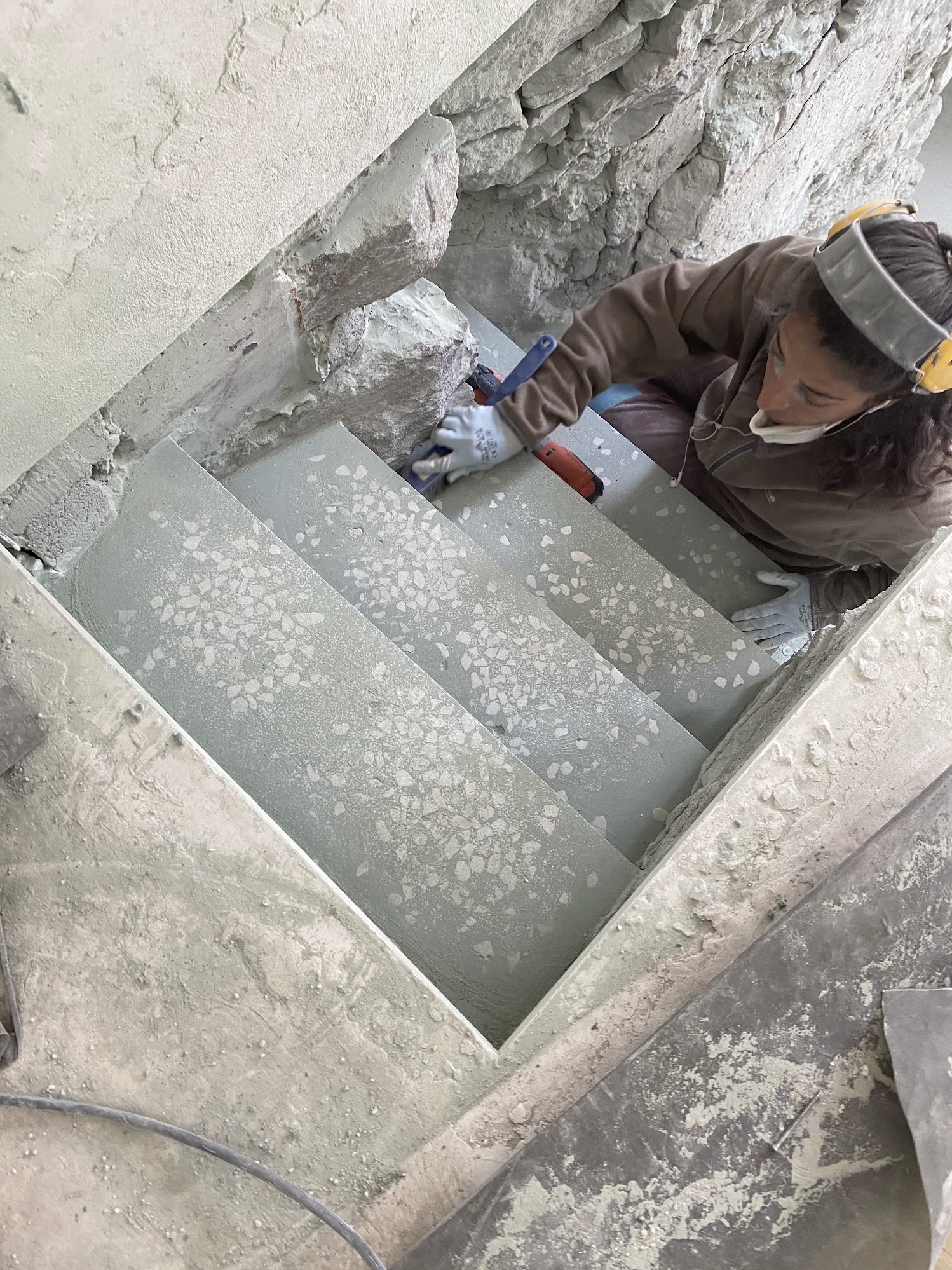
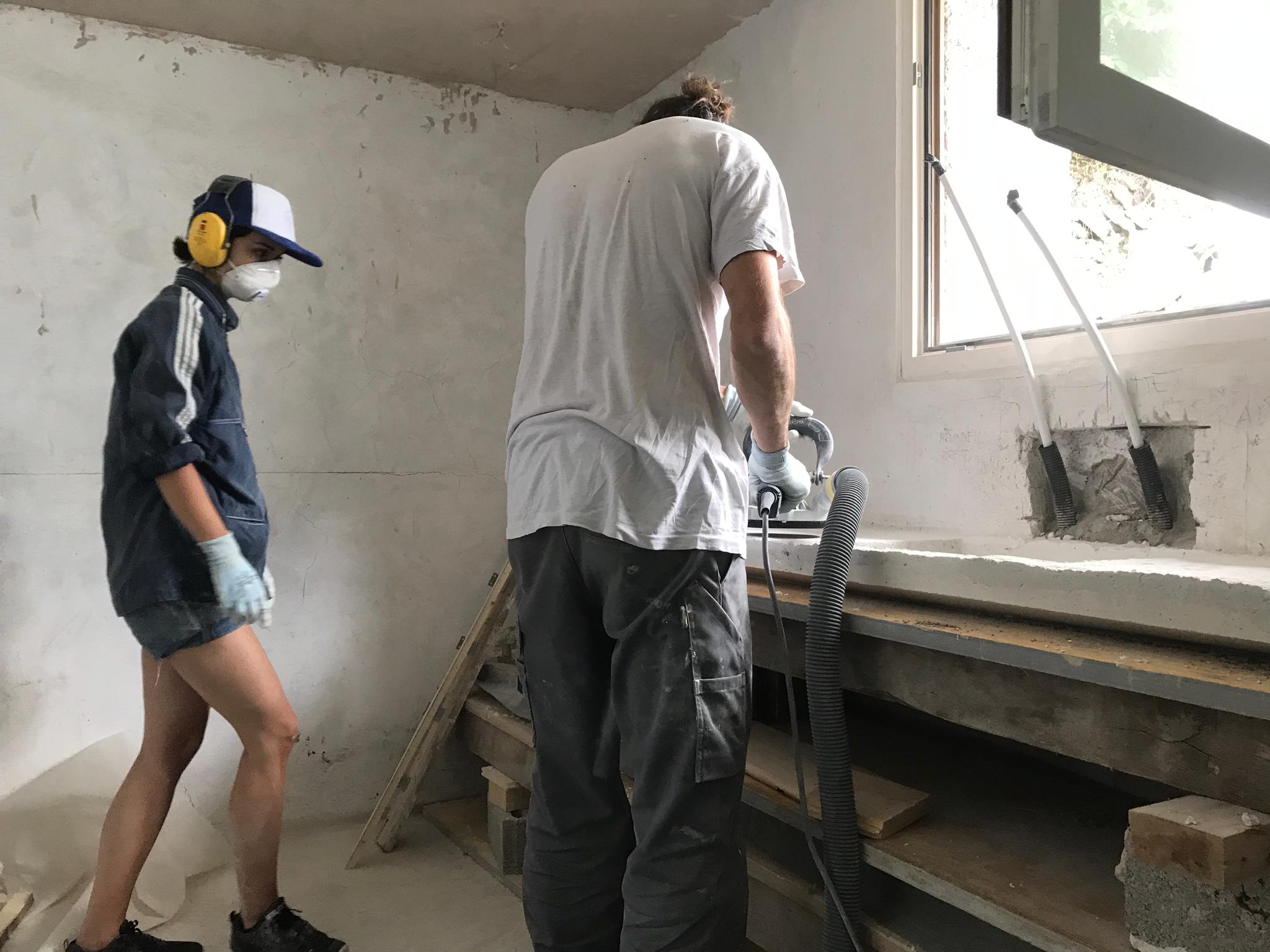
Together with local craftsmen, many friends and students who wanted to gain practical construction experience, we were working on Casa Giuseppina for four summers. The many people involved inhabit the house. We are in dialogue with the locals of Mosogno di Sotto, how to treat other abandoned houses and in which way we can contribute to the commons of the settlement.
Lian Liana Stähelin, Isabel Lehn-Blazejczak and Florian Stieger
with Ljubica Arsić, Caspar Bultmann, Jonas Butscher, Gülsah Canli, Olivia Leah Eckell, Jasper Engelhardt, Carlo Erzinger, Valeria Falletta, Daniel Fuchs, Kathrin Füglister, Cindy Gloggner, Agustin Jacky, Sarah Jacky, Jonas Jakob, Radovan Jovicic, Nora Klinger, Cédric Moser, David Moser, Tizian Naterop, Anna Schudel, Moritz Schudel, Marie Seeger, Sarah Silbernagel, Jonas Stähelin, Peter Stieger, Michele Tortelli and Raphael Ziltener.
Background
The village of Mosogno di Sotto has more houses than residents. Through a DIY effort, young female architects and their friends, working alongside local craftsmen, have converted abandoned ruins into simple homes.
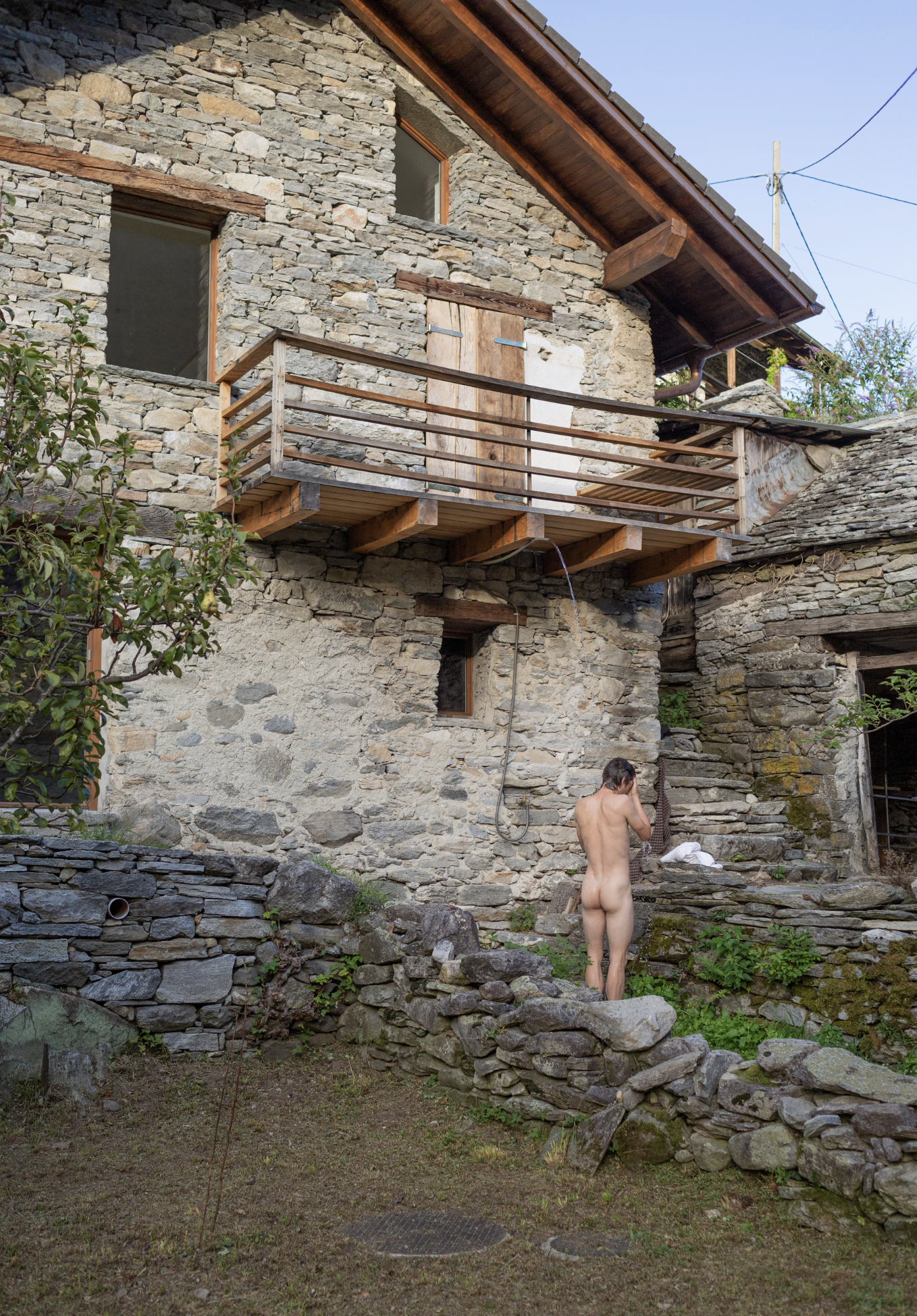
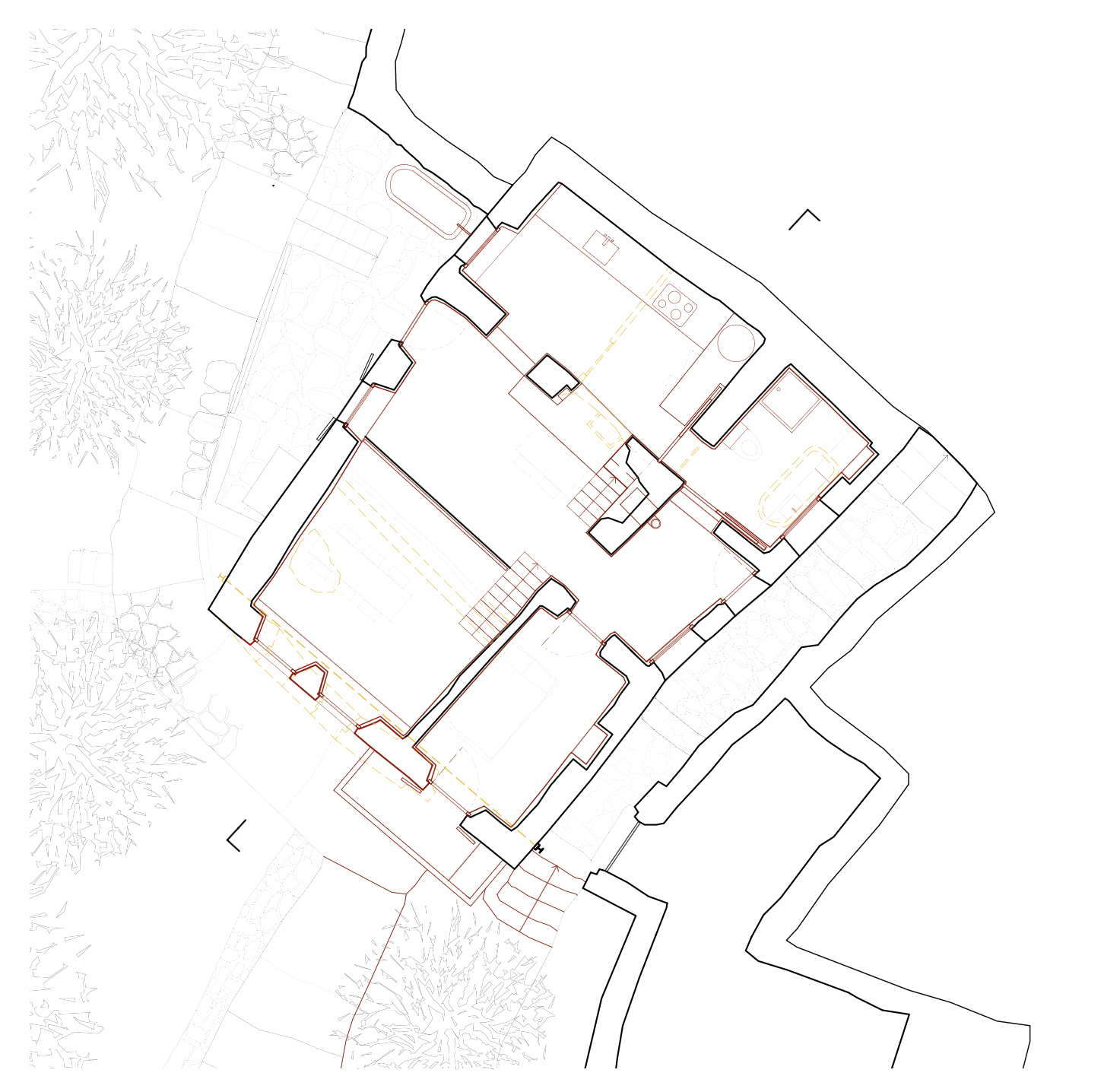
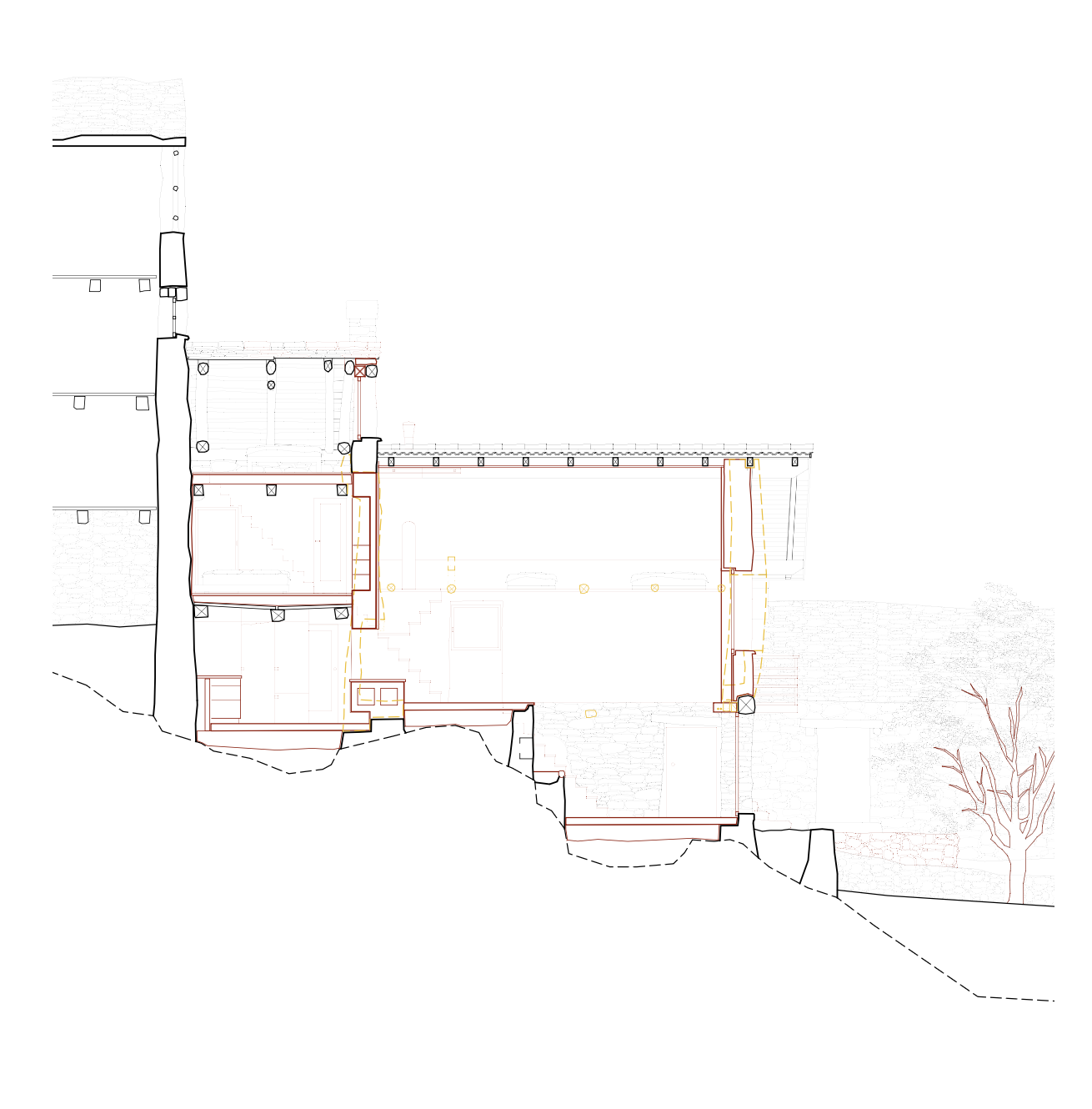
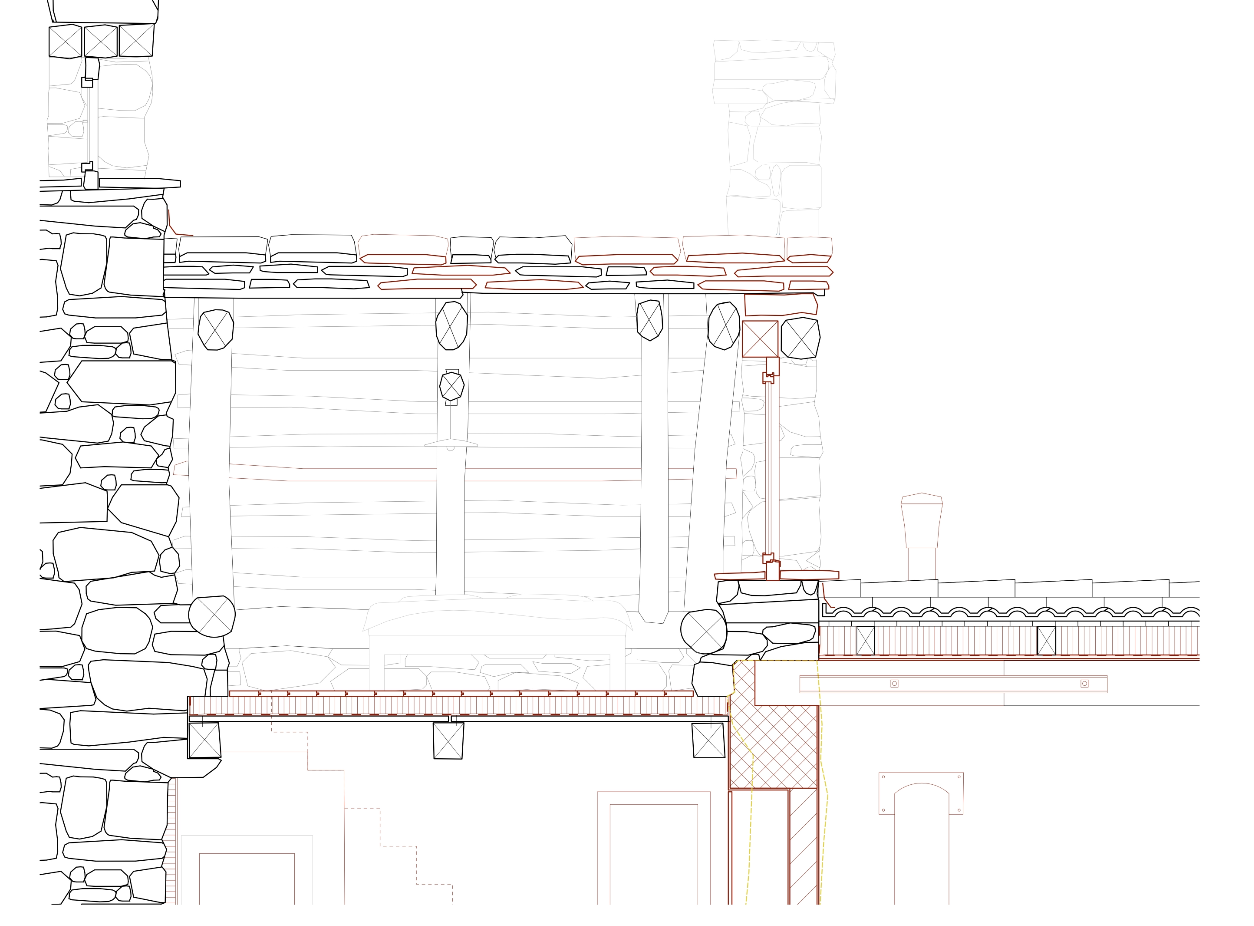
Mosogno di Sotto lies far from the only road that provides access to the steep Onsernone Valley. A 300-step stone staircase leads into the medieval village layout. There stand the former Casa Giuseppina farmhouse. All floors of the house are accessible at ground level on the slope. In this topographically complex situation, the site survey was conducted using 3D scans, photos and manual measurements. The house, uninhabited for decades, had moisture damage and partially collapsed ceilings.
Design Concept
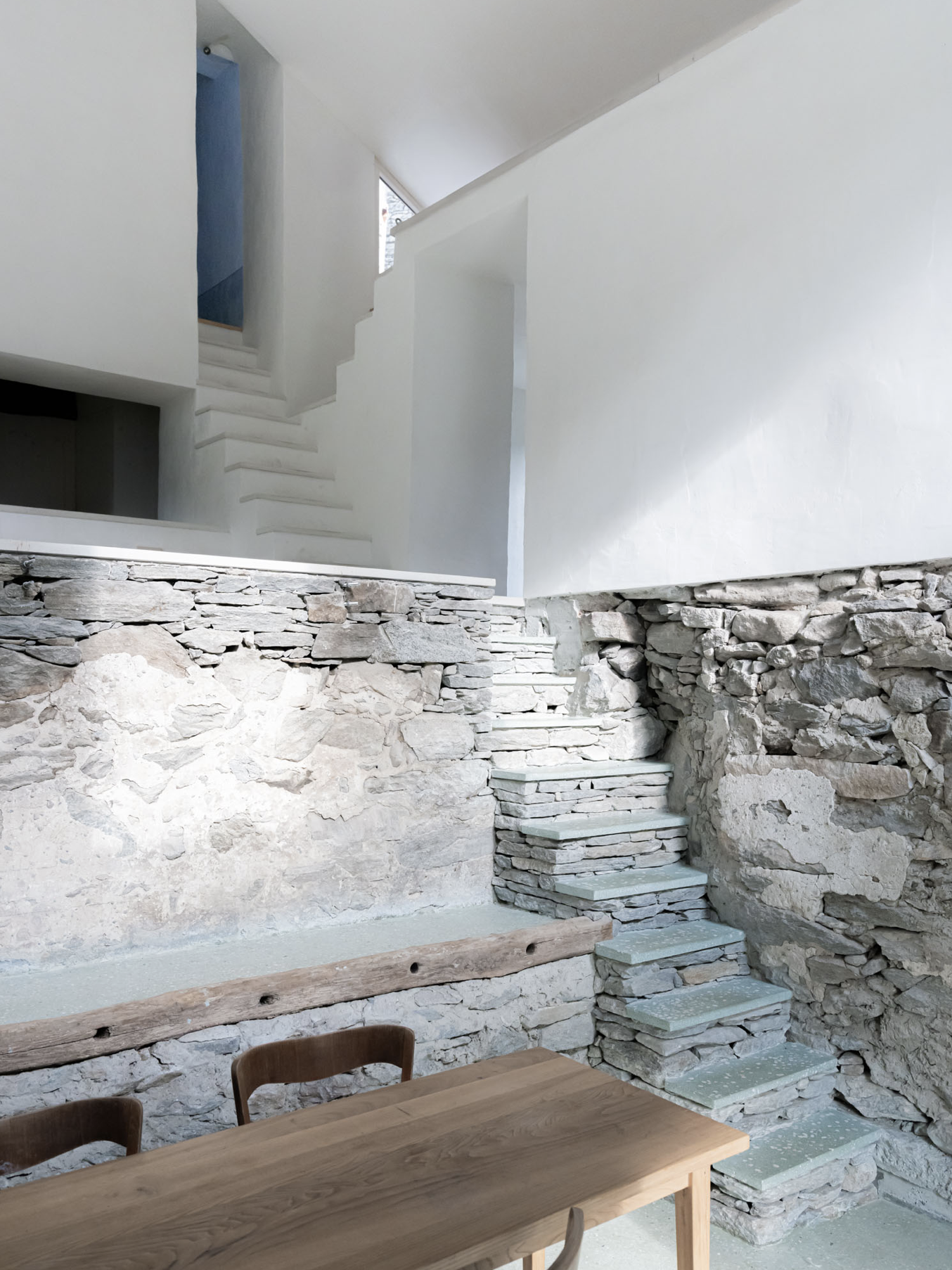
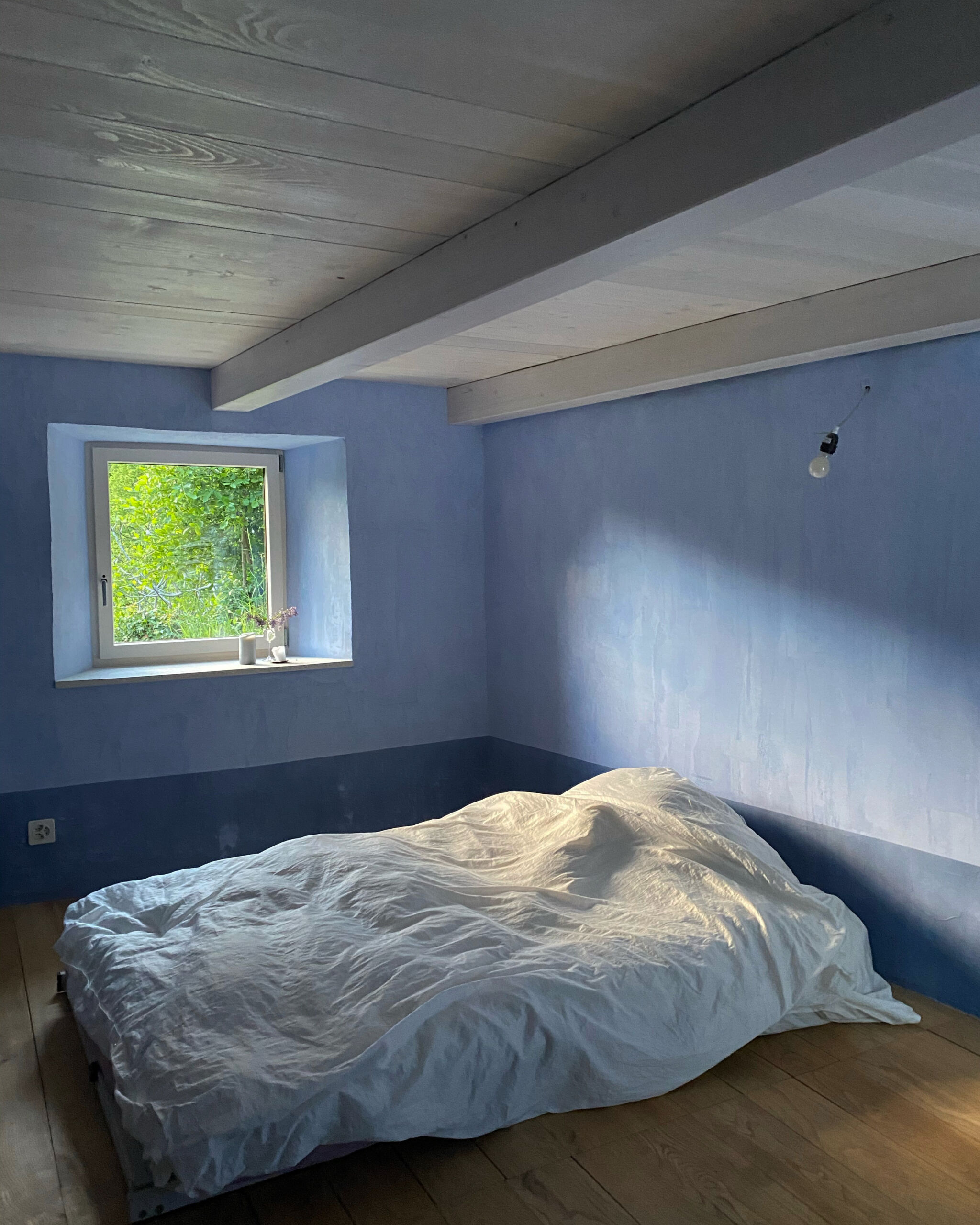
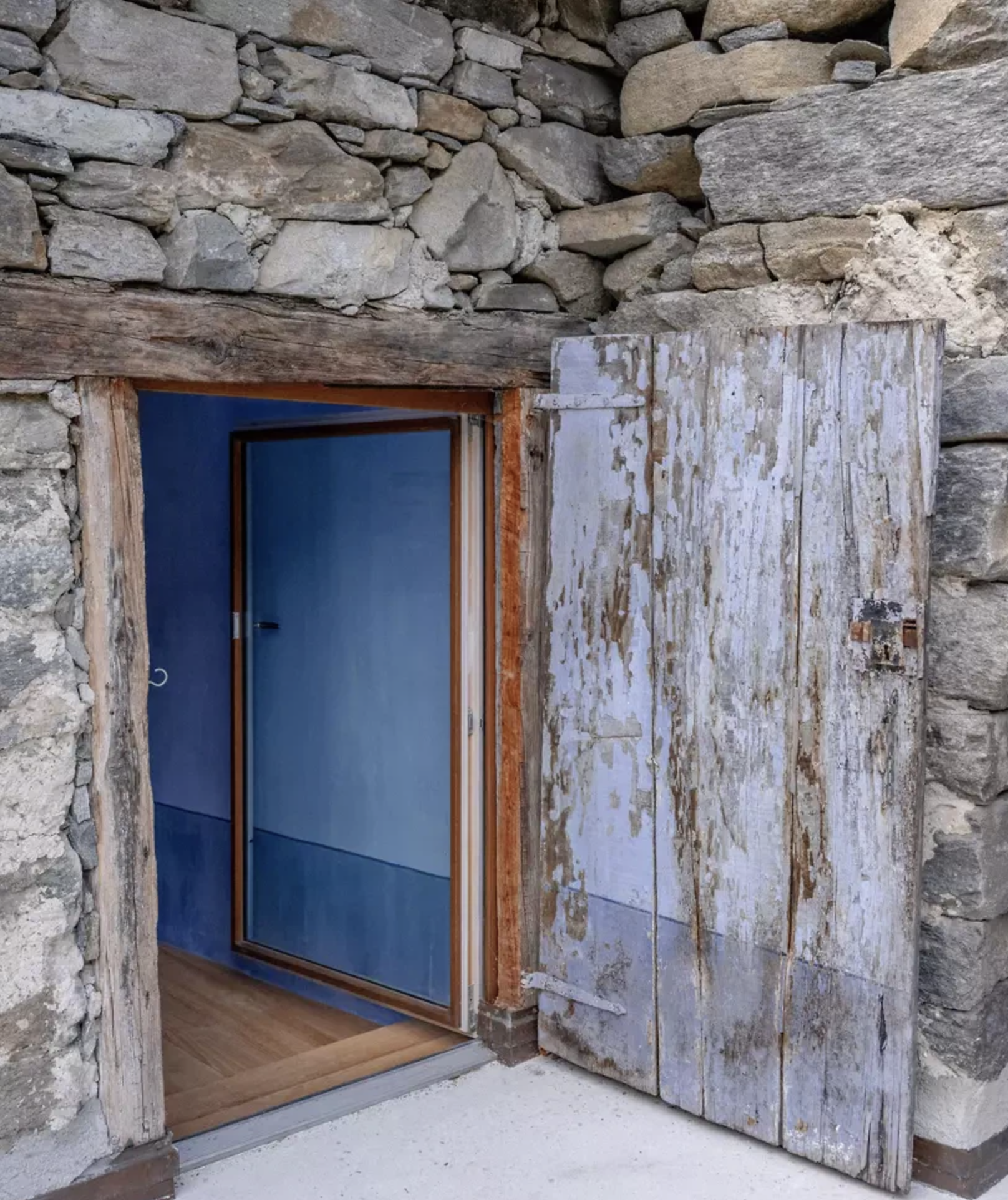
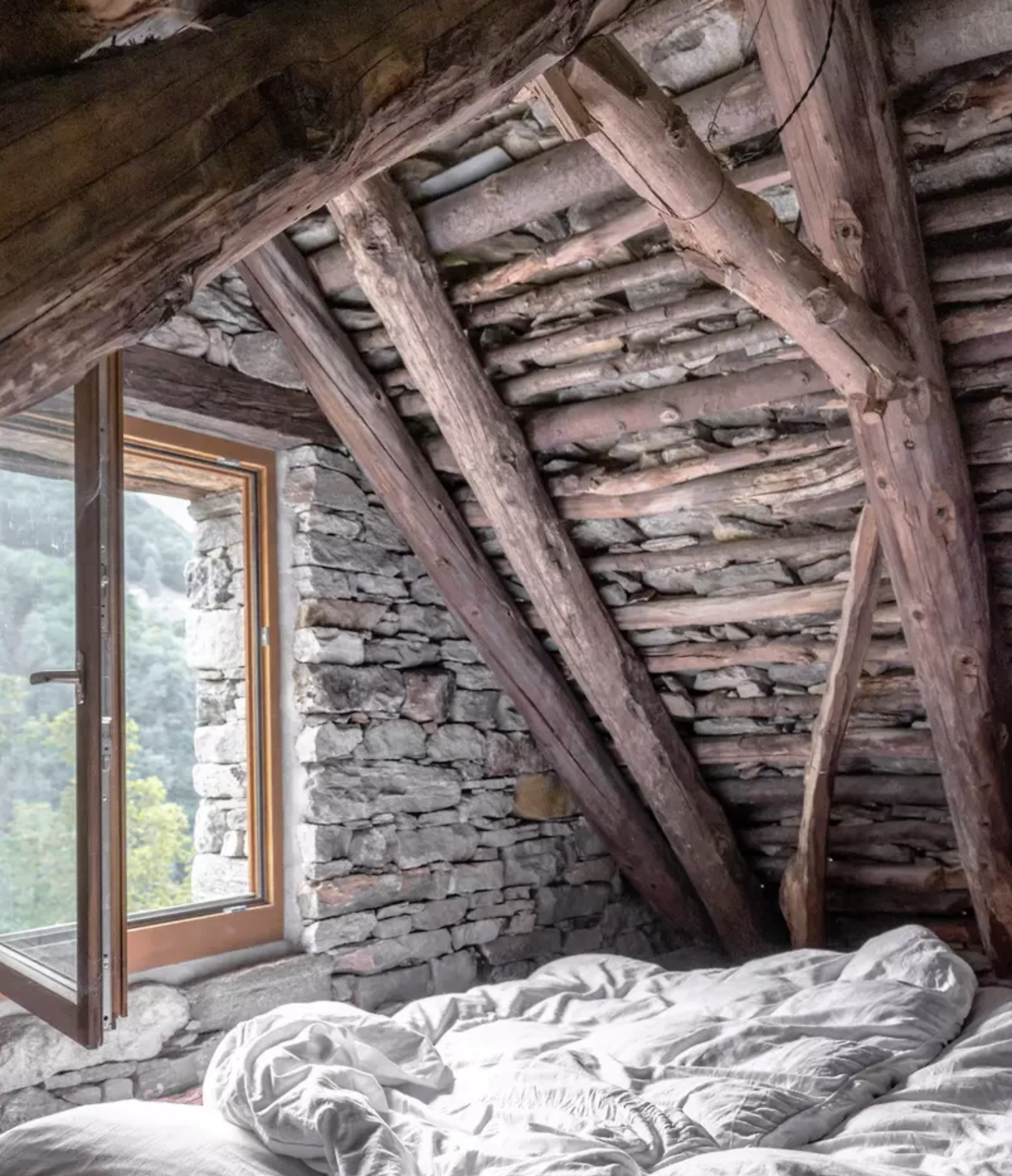
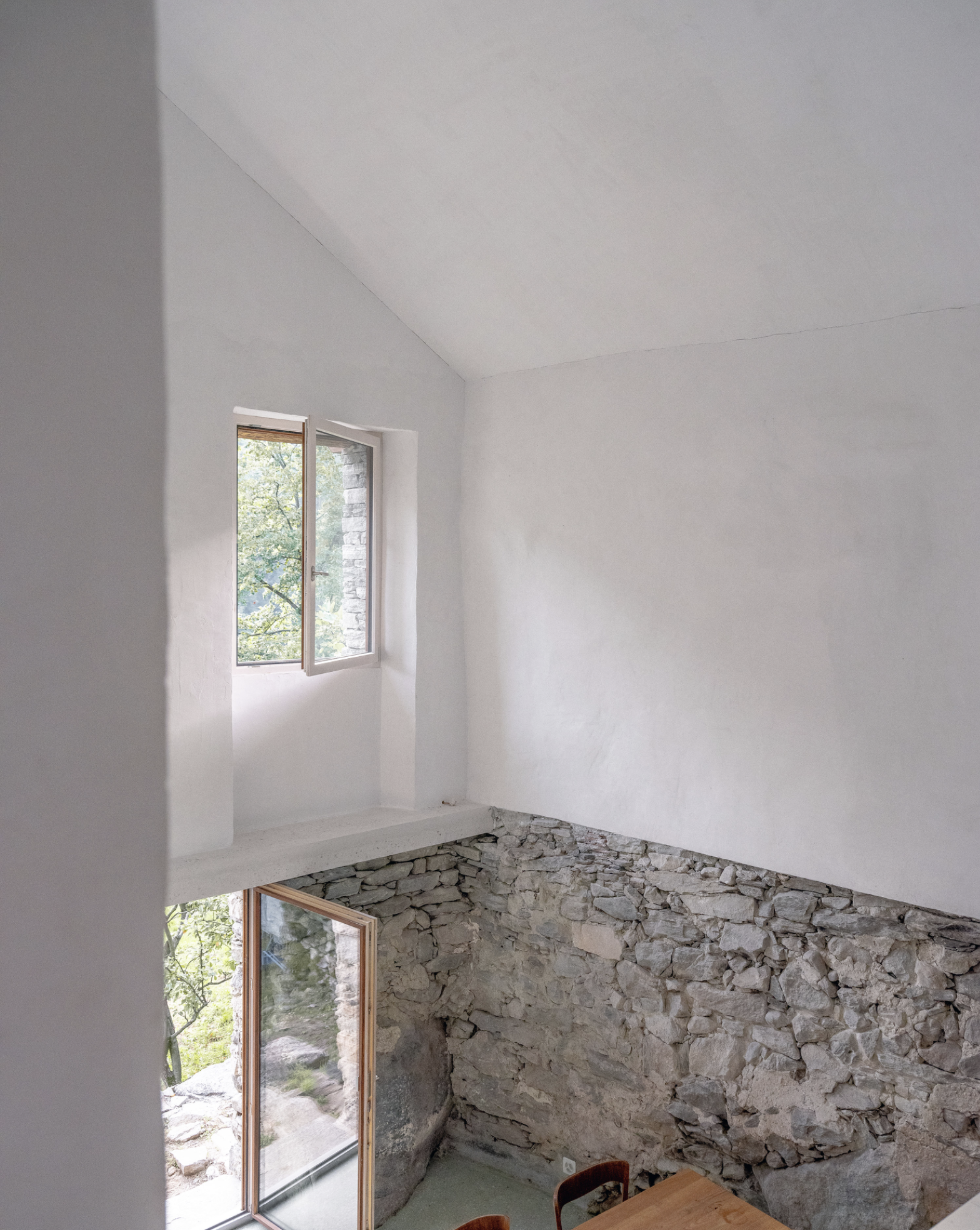
The renovation build upon the existing elements. Collapsed ceiling becames a high-ceilinged room; old cornerstones were carved into lavabos; stone washbasin became new kitchen; and open fireplace was transformed into storage stoves. The formerly damp stone walls were partially lined on the inside with insulating lime plaster. The rooms of the abandoned house were largely preserved.
The usable space of the house changes with the seasons. In the colder months, wood-burning stove heat only the essential living and sleeping areas. In summer, the uninsulated rooms beneath the restored stone roof serve as additional sleeping quarters to accommodate more guests.
Project Planning
The construction process was a balancing act between on-site decisions and a shared vision. The renovation was carried out by local craftsmen, friends who helped out, and the architects themselves. Shared and individual visions of life, a series of consensus decisions, and ongoing adaptations to the existing building structure were key factors in the process. Unique details made it possible to incorporate all building components that did not require immediate replacement into the renovation.
Realization
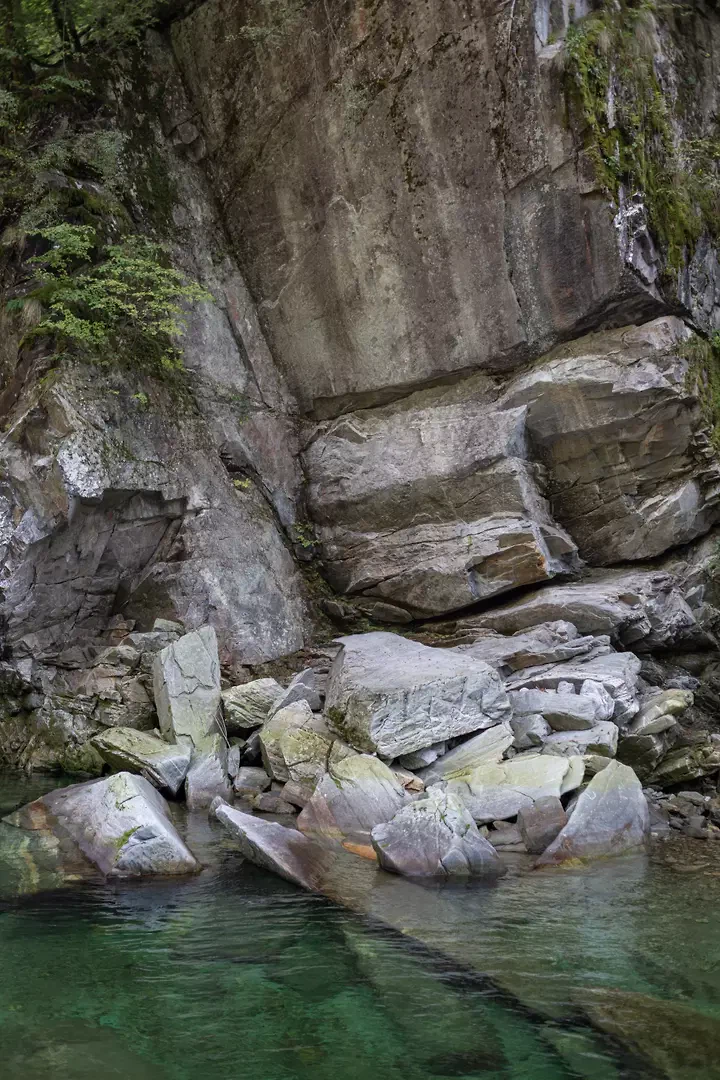
The renovation of the abandoned ruins followed a clear priority: existing materials and fixtures were reused on site and replaced only where necessary. When replacements were needed, they were made using still-intact components from the material reserve found within the village ruins. Only the bare essentials were brought into the village. All building materials had to be carried down on foot or flown in by helicopter. Local materials define the design: chestnut and Onsernone gneiss.
Special Features
Through self-construction, adjustments could be made on an ongoing basis to the existing building fabric. Being on-site made it possible to respond to surprises that the historic building fabric held in store. For example, entire chambers on the slope that had previously been bricked up only came to light during construction. In this project, the process of collective building was more defining than the vision of a finished structure.
Since the transformation, life has returned to the once-abandoned walls. The many people involved in the renovation remain in dialogue with the residents of Mosogno di Sotto. How the extensive built heritage of architectural culture on the southern slopes of the Alps can be put to contemporary use is a relevant question even beyond the village. The line between museum-like preservation and overly intensive interventions is a fine one: dealing with the many other abandoned houses remains a challenge.
*The text was written by the architects in connection with the submission of the project for the Arc Award 2023.
Credits
Photography
Dario Bosio, Pierre Marmy
Location
Mosogno di Sotto, Valle Onsernone
Year
2019-2022